
 EN
EN
 AR
AR
 HR
HR
 NL
NL
 FR
FR
 DE
DE
 IT
IT
 JA
JA
 KO
KO
 PL
PL
 PT
PT
 RO
RO
 RU
RU
 ES
ES
 SV
SV
 ID
ID
 TH
TH
 TR
TR
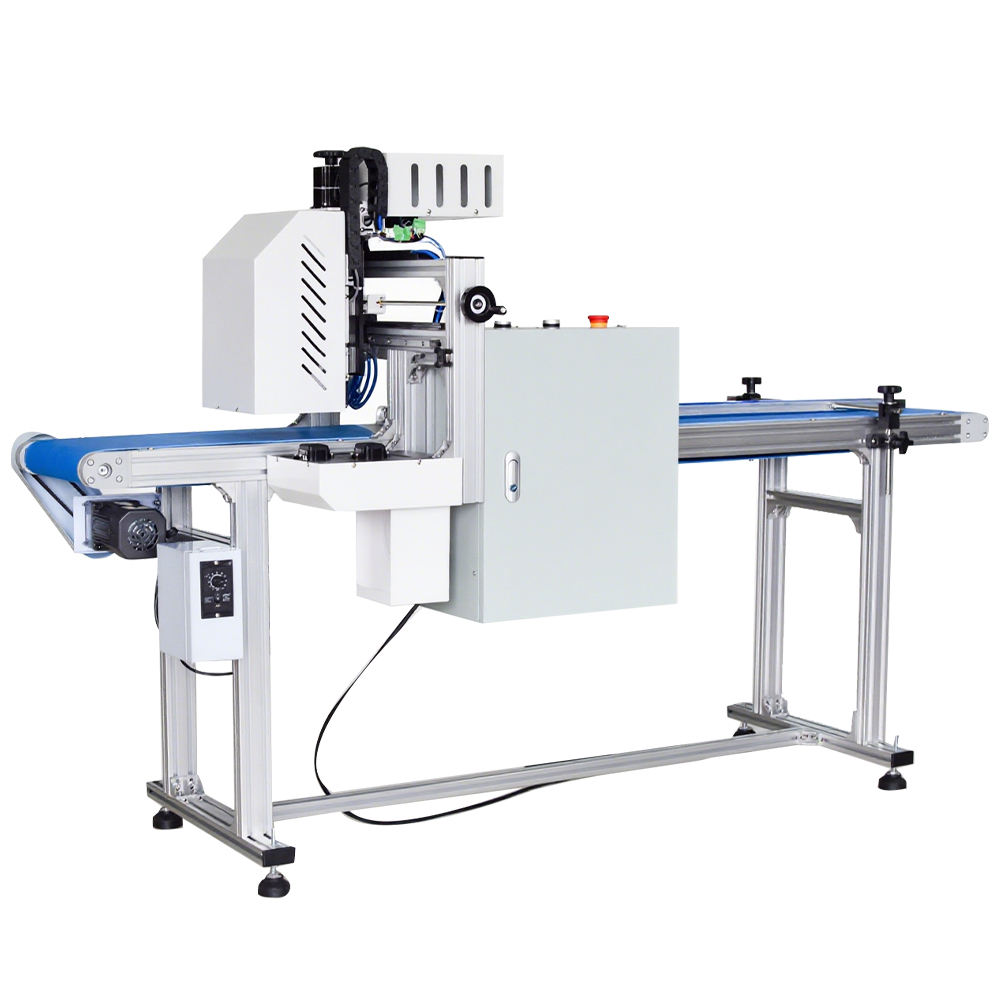
With the rise of personalized consumption and the upgrading of creative catering, food printers, with their advantages of safety, efficiency, and precision, are gradually entering bakeries, creative restaurants, and personalized customization scenarios, becoming an important tool connecting food and creativity. These devices use natural edible inks or ingredients as core raw materials and are mainly divided into two categories: edible inkjet printers and food 3D printers. They can easily print patterns, text, or complex shapes on various foods such as cakes, chocolates, and coffee, and are widely used in personalized food customization, pastry decoration, and creative catering, empowering the aesthetics of the palate with technology.
Edible inkjet printers primarily focus on printing on food surfaces. Their working principle is similar to that of ordinary inkjet printers, but the core difference lies in the use of edible inks that meet food safety standards. The components are mostly natural food colorings, fully complying with the relevant GB 4806 standards, ensuring that the printed content is safe for consumption and does not affect the flavor and texture of the food itself. Its applications are extensive, capable of printing full-color photos and personalized text on cake frosting and macarons, as well as brand logos and holiday patterns on cookies and coffee foam, suitable for various scenarios including home creativity, small-scale catering, and large-scale production. Compared to traditional hand decoration, it boasts advantages such as fast printing speed, clear and detailed images, and no need for additional heating, saving labor costs and ensuring consistent decorative effects, making it particularly suitable for the batch needs and personalized services of bakeries and cafes.
Unlike the surface decoration of edible inkjet printers, food 3D printers focus on three-dimensional modeling. Their core principle is to build a three-dimensional structure by layering edible ingredients. These devices can use a variety of common ingredients such as chocolate, dough, and jam as "printing materials," breaking the limitations of traditional cooking processes and enabling the creation of complex geometric shapes and intricate textures that are difficult to achieve by hand. In practical applications, it can customize uniquely shaped creative chocolates, three-dimensional carved desserts, and create distinctive dish designs, suitable not only for personalized customization for weddings and birthdays but also providing creative inspiration for high-end catering, making food not only delicious but also visually impactful. Both food-grade inkjet printers and food 3D printers, with their high precision and efficiency, are suitable for diverse application scenarios. In the field of personalized customization, they can print the birthday person's name and commemorative patterns on birthday cakes, and create exclusive designs on chocolates, adding a sense of ceremony to special occasions such as weddings and holidays. In the commercial application field, coffee latte art printing can enhance the customer experience, and bakeries can use it to quickly complete exquisite decorations, increasing product premiums and enhancing market competitiveness.
The emergence of food printers not only simplifies the process of food decoration and shaping but also breaks the creative boundaries of traditional catering. Prioritizing safety, focusing on creativity, and leveraging efficiency, it perfectly integrates technology and food, satisfying consumers' demand for personalized food and injecting new vitality into the innovative development of the catering industry, allowing every dish to become a carrier of sentiment and creativity.